My eyes would not look forward. They were locked to the sides.
I moved my head left and right, hoping they would somehow return to their normal position. I even hit the side of my head, as if I could knock them back into place.
Nothing worked.
My vision blurred. The room began to spin. My breathing slowed as fear settled over me.
I thought water might wake me up.
I stumbled toward the bathroom like a man who had been drinking, though I had not touched a drop of alcohol. I turned on the sink, filled my hands with water, and tried to throw it over my head.
I missed by nearly two feet.
That was when I knew something was terribly wrong.
I made my way back to the bedroom and sat down. When I tried to speak, my words came out slow and slurred.
Then my body collapsed to the right.
I fought to sit back up.
I collapsed again.
My phone was lying on the bed a few feet away. With what felt like the last bit of strength I had, I pulled one leg underneath me, staggered toward the bed, struck the lamp, and fell.
Then everything went black.
Late for Formation
When I opened my eyes, I thought only a few minutes had passed.
It had been approximately eight hours.
My eyes had returned to their normal position. I could see again. I could move.
And I was late for formation.
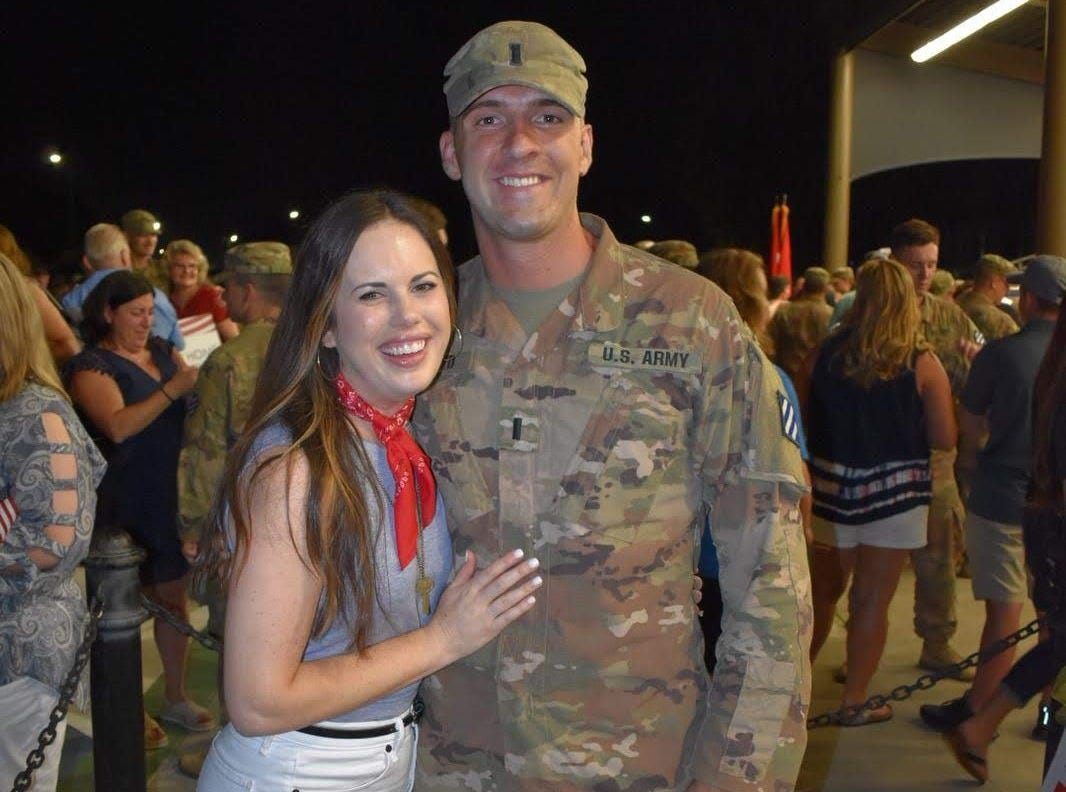
I was in my early twenties, alone in my barracks at Fort Benning, Georgia, nearing the end of a grueling Infantry Officer School. I had only a few weeks of training left before graduation—which was before Christmas, so I was doing anything to make it.
The last thing I wanted was to be recycled and forced to repeat the course.
So I did what a scared and immature young soldier might do.
I put on my uniform and sprinted to class.
My instructors gave me a forceful warning for being late. I tried to explain what had happened.
“I don’t know what happened last night,” I told them. “But I’m here, and I’m ready.”
One of them joked that I had probably suffered a stroke and told me, with expletives, to sit down.
I listened.
Then I texted my family, and their response projected immediate concern.
“Go to the doctor!”
They insisted that I see a doctor as soon as possible. At that point in my life, I avoided doctors whenever possible. I was ignorant of the importance of taking care of my own health and of the need to take time to do so.
Thankfully, my family kept pressing me.
Later that day, I walked into the clinic at Fort Benning. I did not remain in the waiting room long. A doctor called me back immediately, placed me on oxygen, and arranged for me to be taken to the hospital in an ambulance.
There I was, in full uniform, being wheeled into the ER at St. Francis Neurological Hospital. Brain imaging raised serious concerns. But because I said both my legs went numb, no conclusions were made. I was told to return to Fort Benning for further testing.
I returned to Ft. Benning and, not so wisely, prepared for the next day’s physical test and the final training exercises in the difficult, cold Fort Benning woods.
Honestly, I thought everything was ok. After all. I was twenty-three and in good shape. Also, I was more afraid of failing and retaking the course than I was of confronting the condition of my own body.
By God’s mercy, I completed the training, a grueling 16-mile ruck march carrying 50+ pounds, leading 40 soldiers successfully on a mission to knock out the woods, sleeping maybe 4 hours a night. Graduation came before Christmas, and by God’s grace, I got my blue cord and became an infantry officer.
But the questions had only begun.
The Opening in My Heart
The next several months were filled with appointments, scans, bloodwork, and uncertainty.
Eventually, doctors performed a bubble study. Saline was injected into my bloodstream while they watched how it moved through my heart.
The test revealed an opening in the wall between the upper chambers of my heart. It had likely been there since birth.
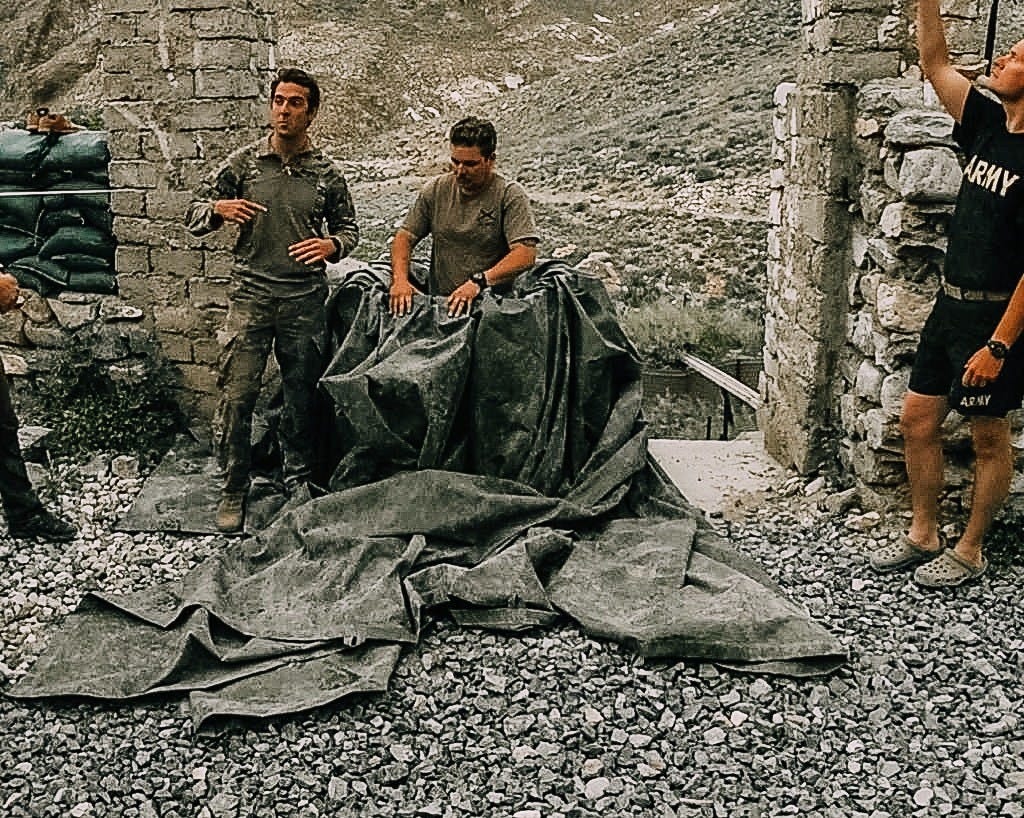
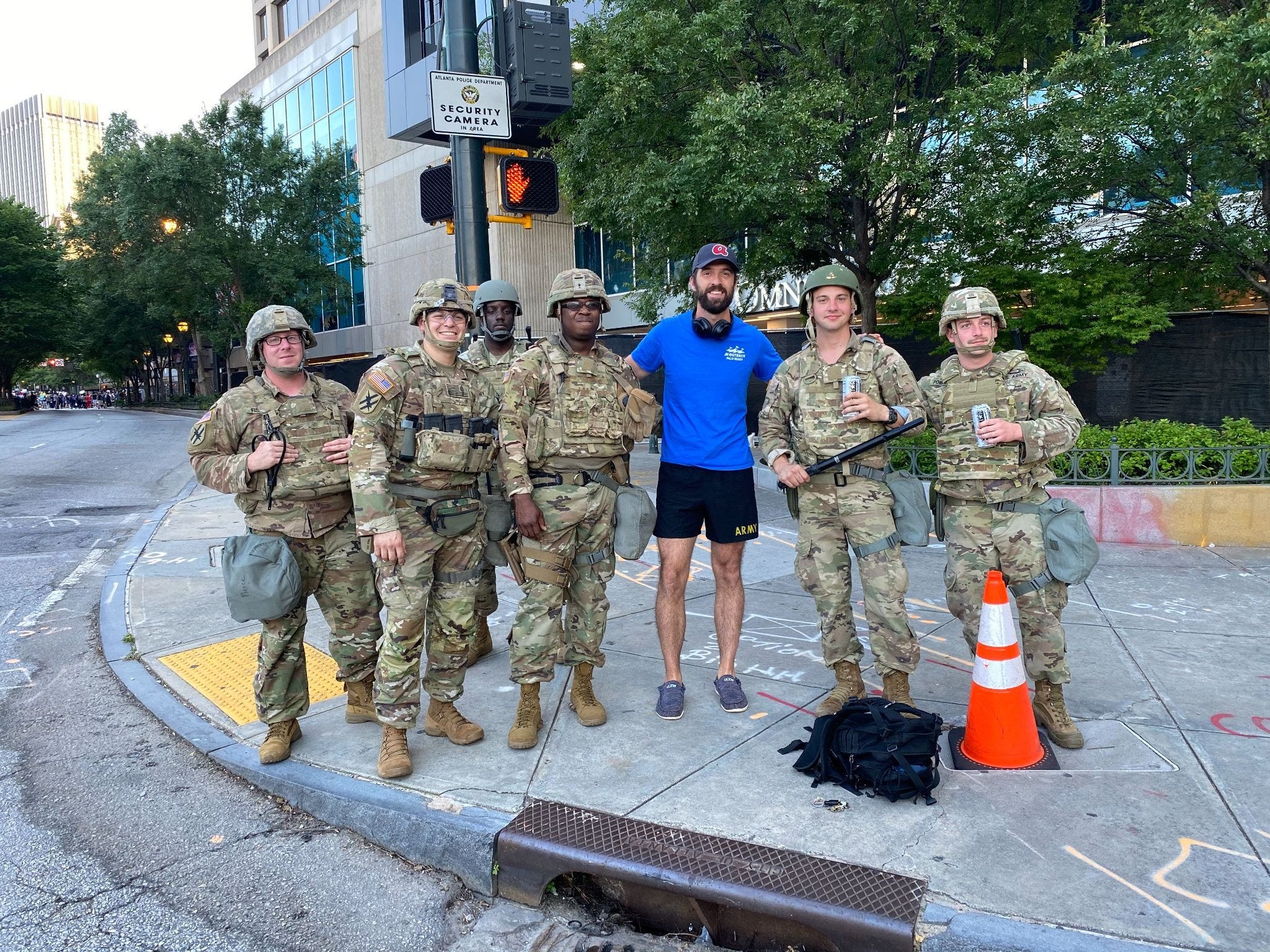
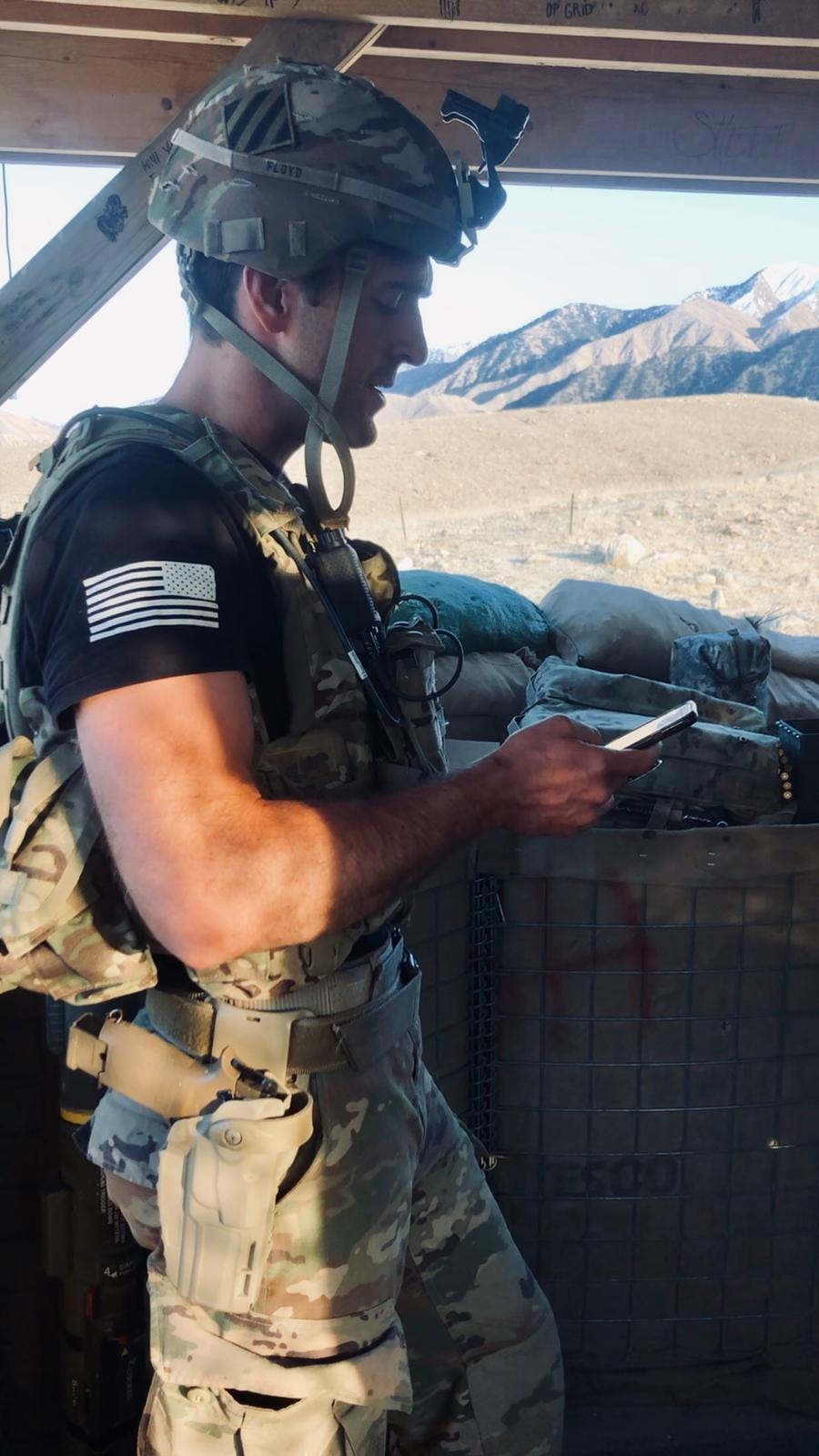
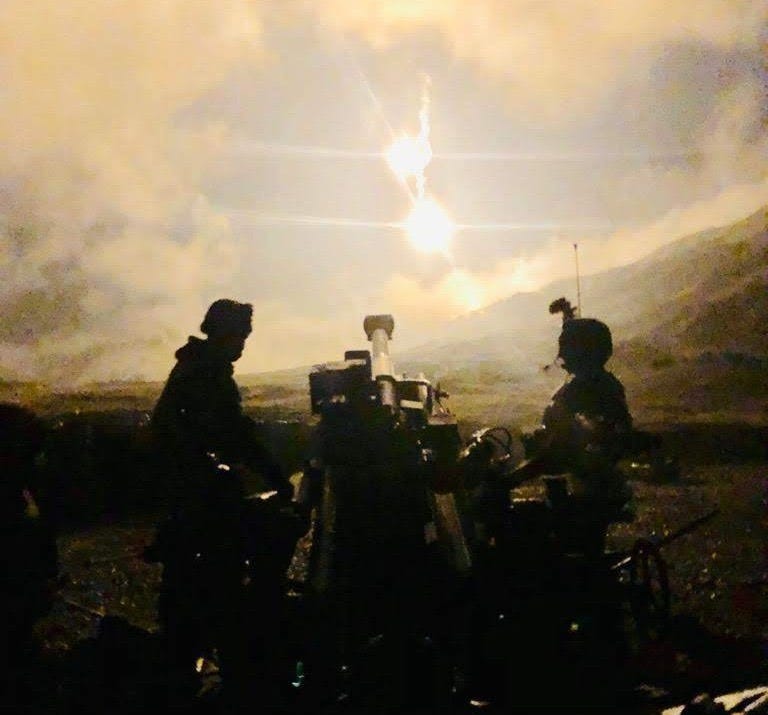
For the next decade, I met regularly with cardiologists. I was told to remain hydrated and pay close attention to my body. I continued serving in the military, deployed for local hurricane relief and eventually to Afghanistan on a combat tour. Years later, I began running ultramarathons.
But the unresolved opening remained inside my chest. Eventually, doctors at another hospital attempted to close it. I was hesitant. I did not like the thought of placing a device inside the organ keeping me alive. Still, after preparation, prayer, and counsel, I went forward with the procedure.
Surprisingly, I remained awake enough to see portions of the procedure on a screen.
Watching instruments move inside my heart made me nauseous.
Then the doctor stopped.
He told me the opening was much larger or more complicated than they had expected. They could not safely close it using the planned procedure.
The attempt had failed.
Emily was pregnant with our first child at the time.
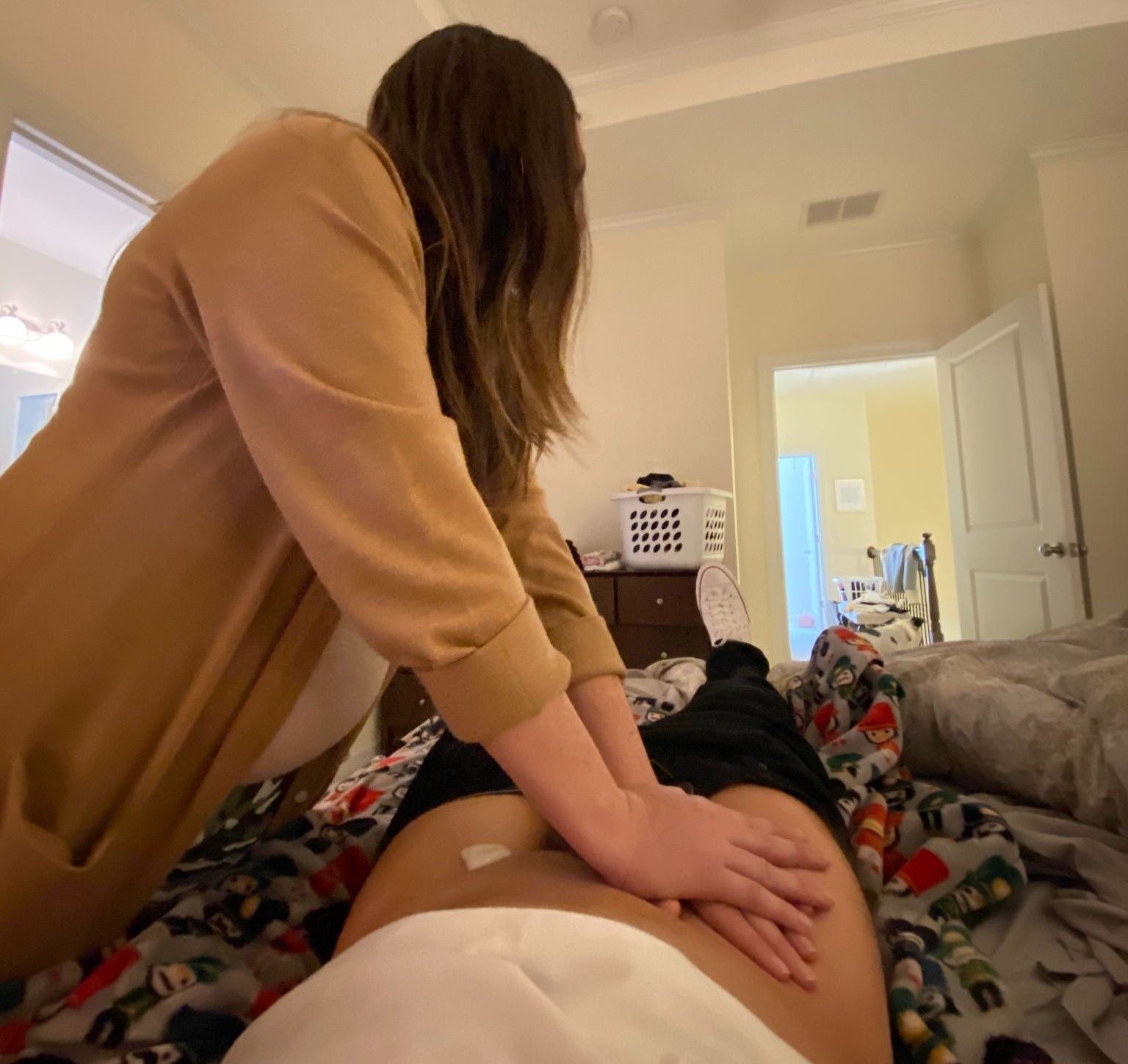
On our way home, I lowered my clothing to show her the bruising and the shaved area near the access site, because why not, and then something unexpected happened. There was gushing blood coming out of the incision.
My warrior pregnant wife pressed down on the wound while we waited for emergency help to arrive.
After another frightening trip to the hospital thirty minutes away because the nearby hospitals were full of COVID patients, the bleeding was controlled, but my bank account was not. $2500 later and a 45-minute ride to the hospital, I hung out in the ER until the bleeding stopped.
But the opening in my heart remained.
Thirteen Years Later
Thirteen years passed between that night in the barracks and my most recent procedure. Thirteen years of cardiology appointments. Thirteen years of questions. Thirteen years of serving, running, raising children, and living with an unresolved condition inside my chest.
Then another door opened.
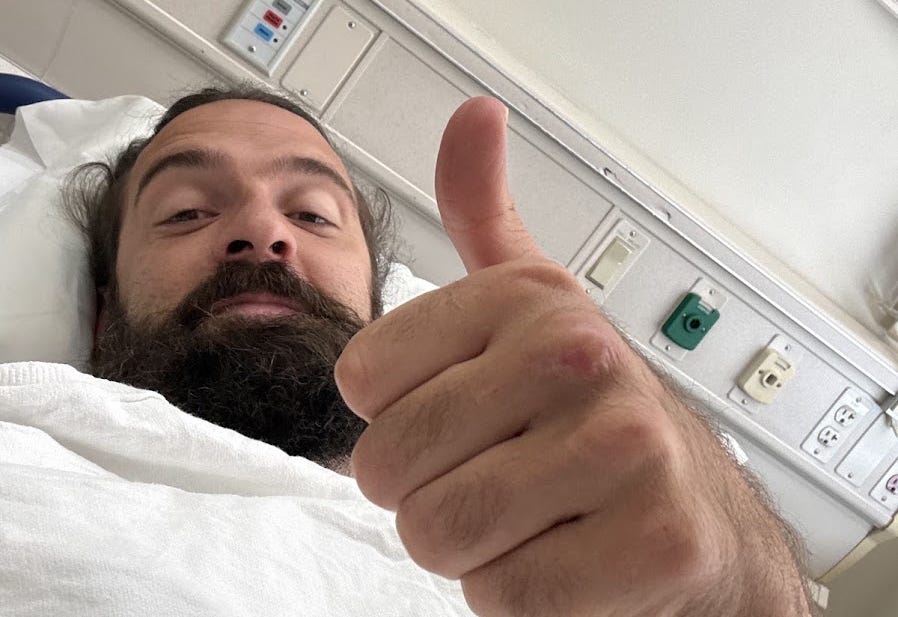
In July 2026, I went to Emory to try again. This time, the procedure was successful. The opening was closed.
I still have follow-up appointments ahead of me. There are still questions to answer. I do not know what every future test will show.
But so far, everything appears to be moving in the right direction.
I am deeply grateful.
I am grateful for the doctors, nurses, technicians, and medical teams who cared for me over the years. I am grateful for the resources God provided. I am grateful for the family members who pushed me to seek help when I was too stubborn to recognize that I needed it.
And I am grateful for the Lord who sustained me through every year between the first collapse and the final procedure.
Faithfulness During the Delay
It would be easy to look at the successful procedure and say, “God’s timing is perfect.”
I believe God is perfectly wise.
But I also want to be careful.
I do not know why He allowed the opening to remain for thirteen years. I do not know why the first procedure failed. I do not know why some people receive the medical answer they have prayed for while others continue to suffer.
Faith does not require us to pretend that we understand God’s hidden purposes. It calls us to trust His revealed character.
The successful procedure was not the first evidence of God’s faithfulness. He was faithful in the barracks. He was faithful in the ambulance. He was faithful when the first procedure failed. He was faithful while Emily pressed her hands against the bleeding wound. He was faithful in every waiting room, every appointment, and every unanswered question.
His faithfulness was not absent simply because the answer had not arrived.
Strengthened by Grace
Hebrews 13:9 says:
“It is good for the heart to be strengthened by grace.”
In its original context, the writer is warning believers not to be carried away by strange teachings. He contrasts the stability of grace with religious regulations concerning food.
The verse is not about cardiology.
But after thirteen years of sitting in cardiology rooms, those words carry new weight for me. Medicine can examine the heart. Doctors can repair tissue, prescribe medication, and close an opening. These are extraordinary gifts of God, and we should receive them with gratitude.
But no doctor can do what Jesus does.
A surgeon may repair the physical heart, but only God can awaken a heart that is dead in sin.
Through the prophet Ezekiel, God promised His covenant people:
“I will give you a new heart, and a new spirit I will put within you. And I will remove the heart of stone from your flesh and give you a heart of flesh.”
That promise points toward the new covenant work God accomplishes through Christ and His Spirit.
I was not saved because I endured difficult training.
I was not saved because I became an infantry officer, deployed to Afghanistan, ran ultramarathons, or developed greater discipline.
I was dead in my sin.
Jesus lived the righteous life I could never live. He died for sinners and rose from the grave. He gives forgiveness and new life to everyone who places their faith in Him. Salvation is not earned through endurance. It is received by grace through faith in Christ.
The surgeon closed an opening in my heart.
Jesus gave me a new heart.
Today Is Enough
The procedure did not give me control over tomorrow.
It reminded me that I never had control to begin with.
I do not know how many more miles I will run. I do not know what tomorrow’s follow-up will reveal. I do not know what difficulties may come next.
Jesus said:
“Do not be anxious about tomorrow, for tomorrow will be anxious for itself.”
That does not mean we stop planning. Planning can be wise. Seeking medical care is wise. Listening to trusted counsel is wise. Preparing for the future is part of faithful stewardship. But planning becomes a burden when we begin treating tomorrow as if it belongs to us.
Today is the day God has placed in our hands.
One question has helped me repeatedly during seasons of chaos:
Lord, what is the next faithful step?
Sometimes that step is making the appointment. Sometimes it is receiving counsel. Sometimes it is resting. Sometimes it is apologizing. Sometimes it is waiting. Sometimes it is simply turning off the noise, opening God’s Word, and remembering who He is.
We do not need enough strength for every possible tomorrow.
We need grace for the day God has given us.
The Deeper Work Continues
One day, unless Christ returns first, this repaired heart will stop beating.
Medicine is an incredible gift.
But medicine is not my savior.
Jesus is.
My ultimate hope is not that a procedure will allow me to live forever in this body. My hope is that Jesus died, rose from the grave, and will raise His people to everlasting life. Not because our hearts were strong enough. Because His grace was.
Until that day, every heartbeat is borrowed mercy. Every breath is an invitation to trust Him. Every morning is another opportunity to surrender, worship, love my family, serve others, and take the next faithful step.
The opening in my heart is closed.
The deeper work continues.
And it is good for the heart to be strengthened by grace.
Finally, I am reminded of the comments from the many doctors I have met.
“How did they let you stay in as an infantry officer?!”
“How were you allowed to deploy?!”
In hearing these questions over the past decade, I was forced to respond one way: “God. I am in the Lord’s army first. And He happens to be in charge of the world.”
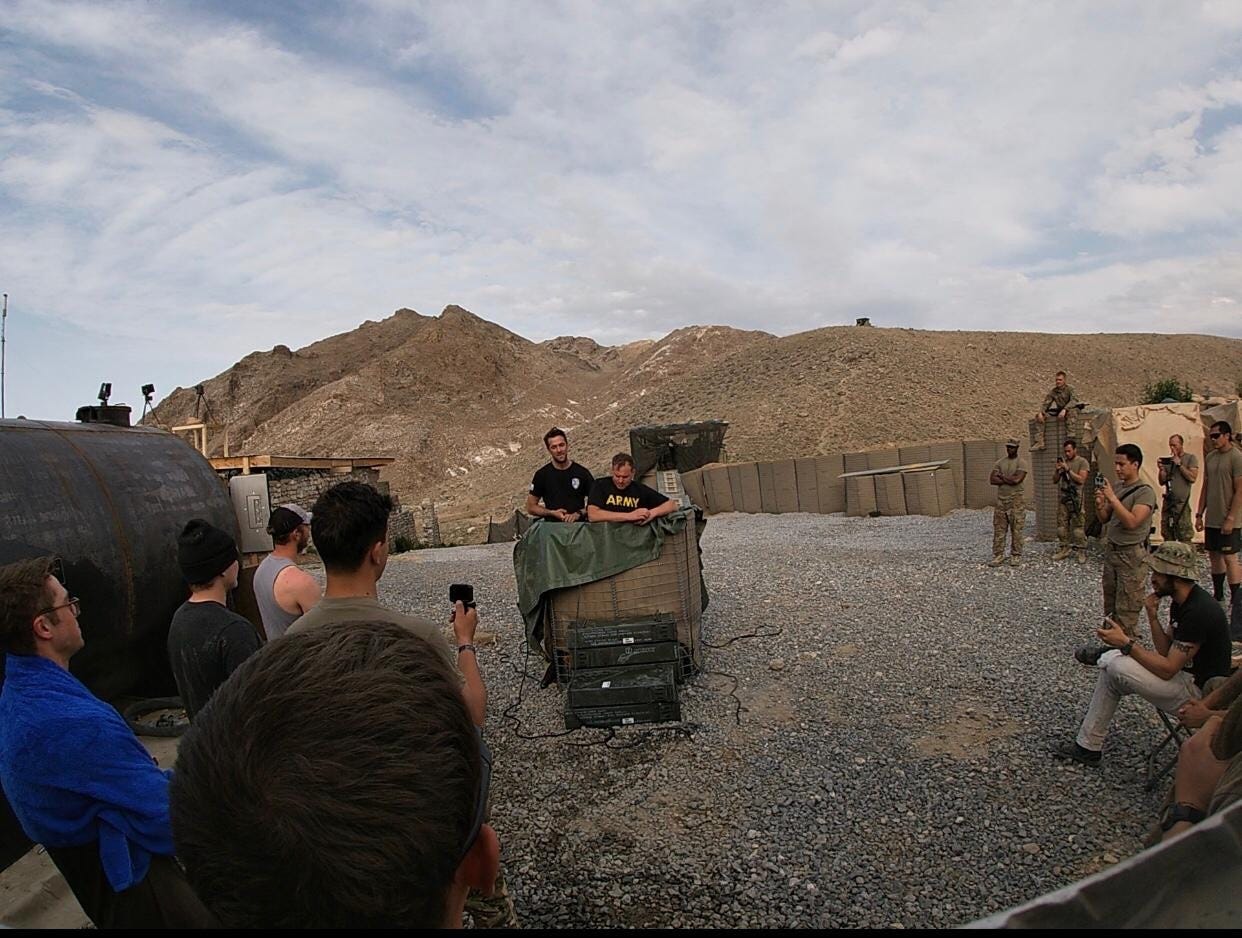
I told my testimony to hundreds of soldiers, led Sundays for the chaplains when they could not make it, and even started a church during combat while baptizing three guys that tour.
Since leaving the army, I still get calls about the testimony spreading.
Because that is what God does. He takes our seeds and multiplies them supernaturally.
I don’t know where you are at in your life, but maybe the never-finished challenge today is to surrender control and let Him in and others! I am where I am because of Him and because so many people sacrificed to help me along the way.
You may not wear a uniform. But you are all a soldier.
After all, you are a soldier in the Lord’s Army.
As the classic children’s Sunday school song goes,
“I may never march in the infantry,
Ride in the cavalry,
Shoot the artillery.
I may never fly o’er (or zoom over) the enemy,
But I’m in the Lord’s army!
Yes, sir!
I’m in the Lord’s army!
Yes, sir!
I’m in the Lord’s army!
Yes, sir!”